Step-by-Step Guide to Unpacking and Organizing Your Kitchen in Denver, CO
- citediscipledmover
- Mar 31
- 5 min read
Moving into a new home often brings excitement, but unpacking the kitchen can quickly feel overwhelming due to the number of items involved. From cookware and appliances to pantry supplies and fragile dishware, organizing the kitchen efficiently requires a structured approach. Many homeowners rely on experienced relocation professionals such as Discipled Movers to simplify the transition and ensure items are unpacked safely while establishing a practical kitchen layout.
Key Takeaways
Start unpacking the kitchen with essential cooking and dining items.
Organizing cabinets strategically improves long-term kitchen efficiency.
Sorting items during unpacking helps reduce clutter early.
Creating designated zones simplifies meal preparation and storage.
Professional assistance can streamline the unpacking process.
Kitchen spaces often contain more individual items than any other room in the home. Studies on household organization show that the average kitchen contains more than 500 separate objects, including utensils, cookware, and pantry goods. Without a clear unpacking strategy, it is easy for cabinets and drawers to become disorganized quickly.
A systematic unpacking approach helps homeowners settle into their new kitchen faster while maintaining an efficient layout for daily cooking and storage.
Why Kitchen Organization Matters After a Move
A well-organized kitchen improves functionality, reduces clutter, and saves time during daily routines. When items are placed thoughtfully, cooking, cleaning, and food preparation become significantly easier.
In cities like Denver, where many homes feature open kitchen layouts connected to living spaces, maintaining organization is especially important. Visible countertops and cabinetry make clutter more noticeable, so establishing a logical storage system early helps maintain a tidy environment.
Professional moving specialists often recommend unpacking the kitchen shortly after moving day. This allows homeowners to prepare meals comfortably and avoid relying on takeout while settling into their new home.
Step 1: Start with Essential Kitchen Items
The first step in kitchen unpacking is focusing on essential items needed for immediate use. These include basic cookware, dishes, utensils, and frequently used appliances.
Unpacking essential tools first ensures the kitchen becomes functional quickly. Items such as coffee makers, cutting boards, knives, and a few pots or pans should be placed within easy reach.
Essential Kitchen Items to Unpack First
Everyday plates, bowls, and drinking glasses
Basic cookware such as frying pans and saucepans
Utensils including spatulas, spoons, and knives
Small appliances used daily like coffee makers or kettles
Dish soap, sponges, and basic cleaning supplies
Starting with these items allows homeowners to prepare simple meals while continuing to organize the rest of the kitchen.
Step 2: Organize Cabinets by Functional Zones
After unpacking the essentials, cabinets should be organized into practical zones based on daily kitchen activities. Grouping related items together improves workflow and prevents unnecessary movement during meal preparation.
For example, placing cooking utensils near the stove allows easy access while preparing meals. Similarly, storing plates and bowls near the dishwasher simplifies unloading and storage.
This zoning strategy is commonly recommended by professional organizers because it creates a natural flow between cooking, serving, and cleaning areas.
Step 3: Efficiently Handle Fragile Items and Dishware
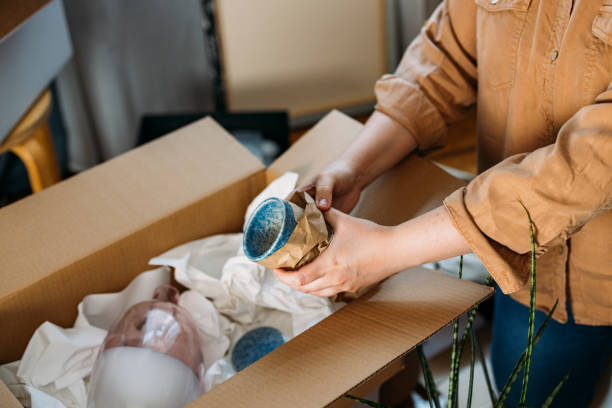
Glassware, dishes, and fragile kitchen items require careful handling during unpacking. These items are often packed with protective materials such as bubble wrap or packing paper, which must be removed carefully to prevent breakage.
Homeowners often take extra time unpacking fragile items to ensure proper placement in cabinets with adequate spacing. Many people also install shelf liners to provide additional cushioning and protect cabinet surfaces.
During relocation, some residents seek Unpacking services Denver, CO to assist with carefully organizing delicate kitchenware and reducing the time required to complete the unpacking process.
Professional assistance can help streamline the task while ensuring fragile items are handled safely.
Step 4: Arrange Pantry and Food Storage Areas
Once cookware and dishes are unpacked, organizing pantry items becomes the next priority. Pantry organization improves food visibility and helps prevent duplicate purchases.
Dry goods such as pasta, rice, and canned foods should be grouped together and stored in clearly labeled containers when possible. Transparent containers allow homeowners to monitor food levels easily.
Pantry Organization Tips
Group similar food items together for easy access
Store frequently used ingredients at eye level
Use sealed containers to maintain freshness
Place heavier items on lower shelves for safety
Label containers to improve visibility and organization
These simple practices help maintain a clutter-free pantry and simplify grocery management.
Step 5: Optimize Countertop and Drawer Space
Countertops often become cluttered quickly after a move if items are placed without a plan. Keeping countertops clear improves both functionality and kitchen aesthetics.
Only frequently used appliances such as coffee makers or toasters should remain on the counter. Other tools can be stored in cabinets or drawers to maintain a clean workspace.
Smart Kitchen Storage Strategies
Store utensils in organized drawer dividers
Keep countertops clear except for essential appliances
Use vertical storage racks inside cabinets
Install hooks or racks for frequently used tools
Utilize drawer organizers for small utensils
These strategies help maximize available space while maintaining an efficient cooking environment.
Kitchen Storage Layout Example
The following table illustrates a simple kitchen storage layout that helps maintain organization after unpacking.
Kitchen Area | Recommended Storage Items | Benefits |
Upper cabinets | Plates, bowls, and glasses | Easy access during meals |
Lower cabinets | Pots, pans, and baking trays | Supports heavier cookware |
Drawer organizers | Utensils and small tools | Prevents clutter |
Pantry shelves | Dry foods and canned goods | Improves visibility |
Countertops | Frequently used appliances | Maintains workflow efficiency |
Using a layout plan like this helps homeowners maintain consistent organization over time.
Key Considerations Before Organizing Your Kitchen
Before finalizing the kitchen layout, homeowners should consider several important factors. One key consideration is household cooking habits. Families who cook frequently may require easier access to cookware, spices, and utensils.
Kitchen size also influences storage decisions. Smaller kitchens may benefit from vertical storage solutions, stackable containers, or wall-mounted racks to maximize space.
Another important factor is accessibility. Items used daily should remain within easy reach, while seasonal or rarely used items can be stored in higher cabinets or storage areas.
Finally, labeling containers and organizing shelves during the initial unpacking process helps maintain order long after the move is complete.
Frequently Asked Questions
How long does it usually take to unpack a kitchen after moving?
Unpacking a kitchen can take several hours to a full day depending on the number of items and the level of organization required. Larger kitchens or households with extensive cookware collections may require additional time.
Should homeowners clean cabinets before unpacking?
Yes, cleaning cabinets before placing kitchen items inside is recommended. Wiping surfaces with a mild cleaning solution removes dust or debris that may have accumulated during the moving process.
What items should be unpacked last in the kitchen?
Rarely used appliances, specialty cookware, and seasonal kitchen tools can be unpacked last. These items typically do not need immediate placement and can be organized once essential areas are established.
How can small kitchens stay organized after unpacking?
Using vertical storage solutions, drawer organizers, and stackable containers helps maximize limited space. Regularly reviewing and removing unused items also prevents clutter buildup.
Is professional unpacking assistance helpful for kitchen organization?
Professional unpacking services can significantly reduce the time and effort required after a move. Experienced teams often help sort items efficiently and establish practical storage systems.
Conclusion
Unpacking and organizing a kitchen after a move requires careful planning and a structured approach. By focusing on essential items first, organizing cabinets by function, and establishing clear storage zones, homeowners can create a practical and efficient kitchen environment. Thoughtful organization not only improves daily cooking routines but also helps maintain a clean and clutter-free space. Taking the time to unpack strategically ensures the kitchen remains functional and comfortable long after the move is complete.
Simplify Your Move with Professional Unpacking Support
Settling into a new home becomes much easier with professional unpacking assistance. Experienced moving specialists can carefully unpack kitchen items, organize cabinets efficiently, and help homeowners establish a functional kitchen layout. Professional support reduces the time and stress associated with unpacking while ensuring fragile items are handled safely. Homeowners preparing for a move or struggling with post-move organization can benefit from consulting reliable relocation professionals who specialize in efficient unpacking and home setup solutions.


Comments